
Top Car Maintenance Tips for Every Vehicle Owner
- jonesdetailing23
- 5 days ago
- 4 min read
Owning a vehicle comes with a significant responsibility: maintaining it properly. Regular car maintenance not only ensures your safety on the road but also prolongs the life of your vehicle and enhances its performance. In this post, we will explore essential car maintenance tips that every vehicle owner should know. Whether you're a seasoned car enthusiast or a new driver, these tips will help you keep your vehicle in top shape.
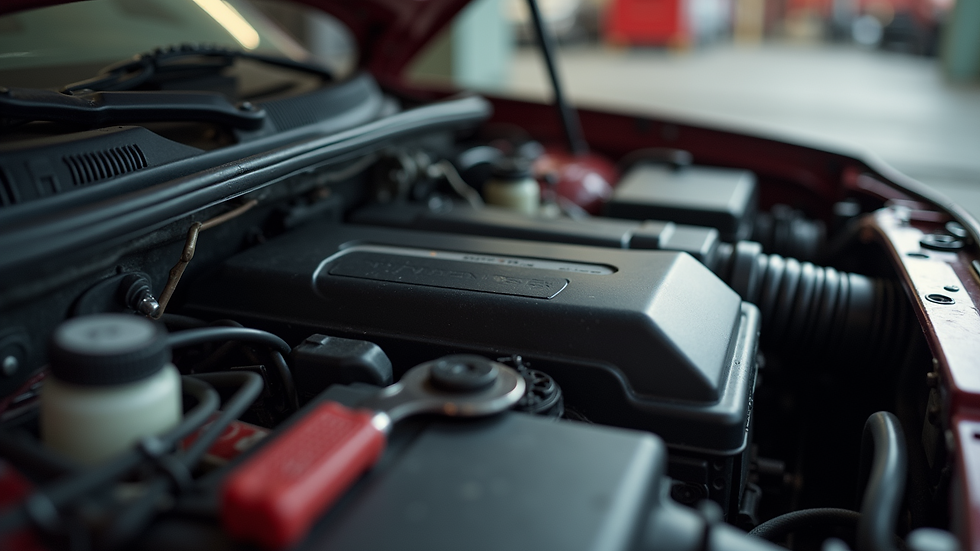
Understanding the Importance of Car Maintenance
Car maintenance is crucial for several reasons:
Safety: Regular checks can prevent accidents caused by mechanical failures.
Cost Efficiency: Preventive maintenance can save you money on major repairs down the line.
Resale Value: A well-maintained car retains its value better than one that is neglected.
Fuel Efficiency: Proper maintenance can improve your vehicle's fuel economy.
By understanding these benefits, you can appreciate the importance of staying on top of your car's maintenance needs.
Regular Oil Changes
One of the most critical aspects of car maintenance is changing the oil regularly. Oil lubricates the engine, reducing friction and preventing overheating. Here are some key points to consider:
Frequency: Most manufacturers recommend changing the oil every 5,000 to 7,500 miles, but always check your owner’s manual for specific guidelines.
Type of Oil: Use the oil type specified in your manual. Synthetic oils may offer better protection and longer intervals between changes.
Oil Filter: Always replace the oil filter when changing the oil to ensure that contaminants do not circulate in the engine.
Tire Care and Maintenance
Tires are your vehicle's only contact with the road, making their maintenance vital for safety and performance. Here are some tips for tire care:
Check Tire Pressure: Maintain the recommended tire pressure, which can usually be found on a sticker inside the driver’s door. Under-inflated tires can lead to poor fuel economy and increased wear.
Tread Depth: Regularly check the tread depth. A simple way to do this is the penny test: insert a penny into the tread with Lincoln's head down. If you can see all of Lincoln's head, it's time for new tires.
Rotation and Alignment: Rotate your tires every 5,000 to 7,500 miles and have your alignment checked annually to ensure even wear.
Brake System Inspection
Your brakes are one of the most critical safety features of your vehicle. Regular inspections can help you avoid dangerous situations. Here’s what to keep in mind:
Listen for Noises: If you hear squeaking or grinding sounds when braking, it may indicate worn brake pads that need replacement.
Check Brake Fluid: Ensure that your brake fluid is at the proper level. Low fluid can affect braking performance.
Regular Inspections: Have your brakes inspected at least once a year or if you notice any changes in performance.
Battery Maintenance
A dead battery can leave you stranded, so it's essential to keep it in good condition. Here are some tips for battery maintenance:
Check Connections: Ensure that battery terminals are clean and free of corrosion. Tighten any loose connections.
Test the Battery: Have your battery tested regularly, especially if it’s more than three years old. Many auto parts stores offer free battery testing.
Replace When Necessary: If your battery struggles to start your vehicle, it may be time for a replacement.
Fluid Levels and Leaks
Regularly checking and maintaining fluid levels is crucial for your vehicle's health. Here are the key fluids to monitor:
Coolant: Check the coolant level regularly to prevent overheating. Top it off as needed, and flush the system according to your manual.
Transmission Fluid: Low transmission fluid can lead to shifting problems. Check the level and condition regularly.
Brake Fluid: As mentioned earlier, ensure that brake fluid is at the correct level for optimal braking performance.
Wiper Blades and Lights
Visibility is crucial for safe driving, so maintaining your wiper blades and lights is essential. Here’s how to keep them in check:
Wiper Blades: Replace wiper blades every six months to a year, especially if they leave streaks or miss spots.
Headlights and Taillights: Regularly check that all lights are functioning. Replace any burnt-out bulbs immediately to ensure visibility and safety.
Interior and Exterior Care
While mechanical maintenance is vital, keeping your car clean and well-maintained can also enhance its longevity. Here are some tips for interior and exterior care:
Regular Washing: Wash your car regularly to remove dirt, salt, and grime that can cause rust and damage the paint.
Waxing: Wax your car every few months to protect the paint and keep it looking new.
Interior Cleaning: Vacuum and clean the interior regularly to prevent wear and tear on upholstery and surfaces.
Seasonal Maintenance Tips
Different seasons can pose unique challenges for your vehicle. Here are some seasonal maintenance tips:
Winter Maintenance
Check Antifreeze: Ensure your coolant system has the right antifreeze mixture to prevent freezing.
Winter Tires: Consider switching to winter tires for better traction in snow and ice.
Battery Check: Cold weather can affect battery performance, so have it tested before winter hits.
Summer Maintenance
Air Conditioning: Ensure your air conditioning system is working efficiently. Recharge it if necessary.
Cooling System: Check the cooling system to prevent overheating during hot months.
Windshield Wipers: Replace wiper blades if they are worn out from winter use.
Keeping Records
Maintaining a detailed record of your car's maintenance can help you stay organized and informed. Here’s how to keep effective records:
Service History: Keep a log of all maintenance performed, including dates, mileage, and services completed.
Receipts: Save receipts for parts and services to track expenses and warranty information.
Reminders: Set reminders for upcoming maintenance tasks, such as oil changes and tire rotations.
Conclusion
By following these car maintenance tips, you can ensure that your vehicle remains safe, efficient, and reliable. Regular maintenance not only protects your investment but also enhances your driving experience. Remember, a well-maintained car is a happy car. Take the time to care for your vehicle, and it will reward you with years of dependable service.
Now that you have these tips, it’s time to get started on your car maintenance routine. Whether you tackle these tasks yourself or seek professional help, your vehicle will thank you for it!


Comments